

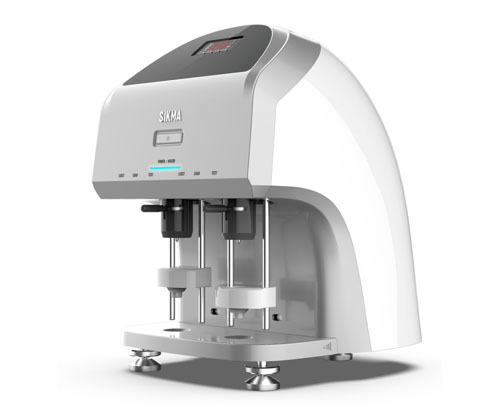
Introduction:This device measures changes in blood elasticity during coagulation, providing comprehensive information on clotting function. The TEG system quickly and accurately identifies a patient's clotting status, assisting doctors in personalizing treatment plans.
Function:The thromboelastograph is an analyzer for comprehensive evaluation of coagulation and fibrinolysis. It uses a small amount of whole blood to test platelets without blood sample processing, This system is widely used in clinical settings, helping doctors better understand patients' clotting function and timely detect and manage thrombosis risks.
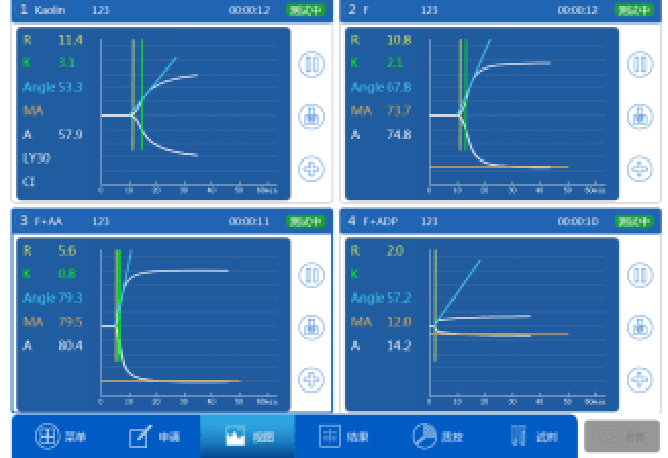
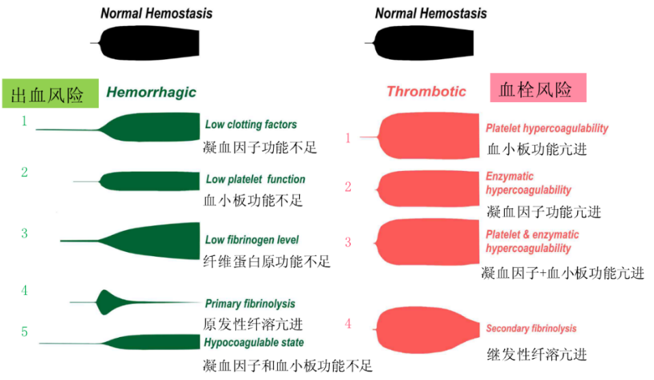
The TEG graph visually reflects abnormalities in clotting factors, fibrinogen, platelets, and fibrinolysis.
Resolved issues:
Early diagnosis: the thromboelastograph helps doctors identify thrombosis risk early and take preventive measures.
Personalized treatment: It provides detailed coagulation data, aiding doctors in tailoring treatment plans.
Reduced complications: Through precise detection and monitoring, it helps minimize complications from thrombosis, such as stroke and heart disease.
Application cases:
Preoperative assessment: Using a thromboelastograph helps doctors evaluate bleeding risks.
Emergency Department: The thromboelastograph quickly assesses coagulation function, aiding doctors in making rapid diagnostic and treatment decisions.
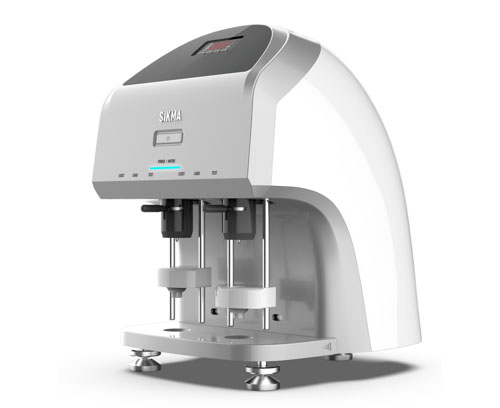
One-click device control, multiple communication protocols, simple operation, intelligent sampling, and automatic case generation.



 Links